
Best Rummy Strategy: 5-Layer Decision Guide
Want to improve your win rate by relying on decisions instead of luck? This five-layer framework helps you decide what to keep and what to discard first in every hand.
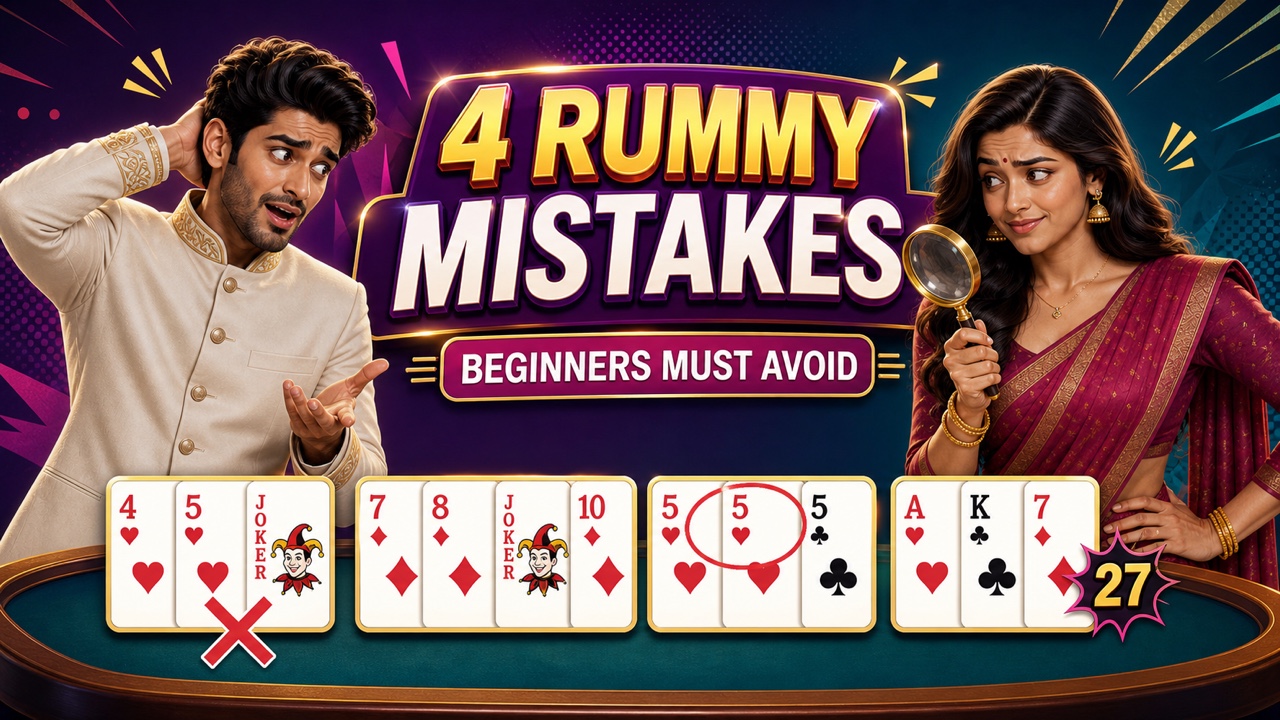
You do not need to memorize every strategy tip. Start with these five layers: hand structure, probability, information, value, and risk. Make one main decision each turn instead of trying to change too many things at once.
The Five-Layer Framework
- Structure: first confirm that your pure sequence is secure
- Probability: assess your chances of drawing the missing cards
- Information: consider what opponents can infer when you pick up a visible card
- Value: decide whether each discard is worthwhile
- Risk: keep the points in high-value cards under control
Example
- A sequence-oriented hand: 4♠-5♠-6♠, 8♣-9♣-10♣, K♣-Q♣-J♣, with the high-value A♦ ready to discard
- Point control: discard high-value cards first, then decide whether to focus on completing groups faster
Visual Comparison

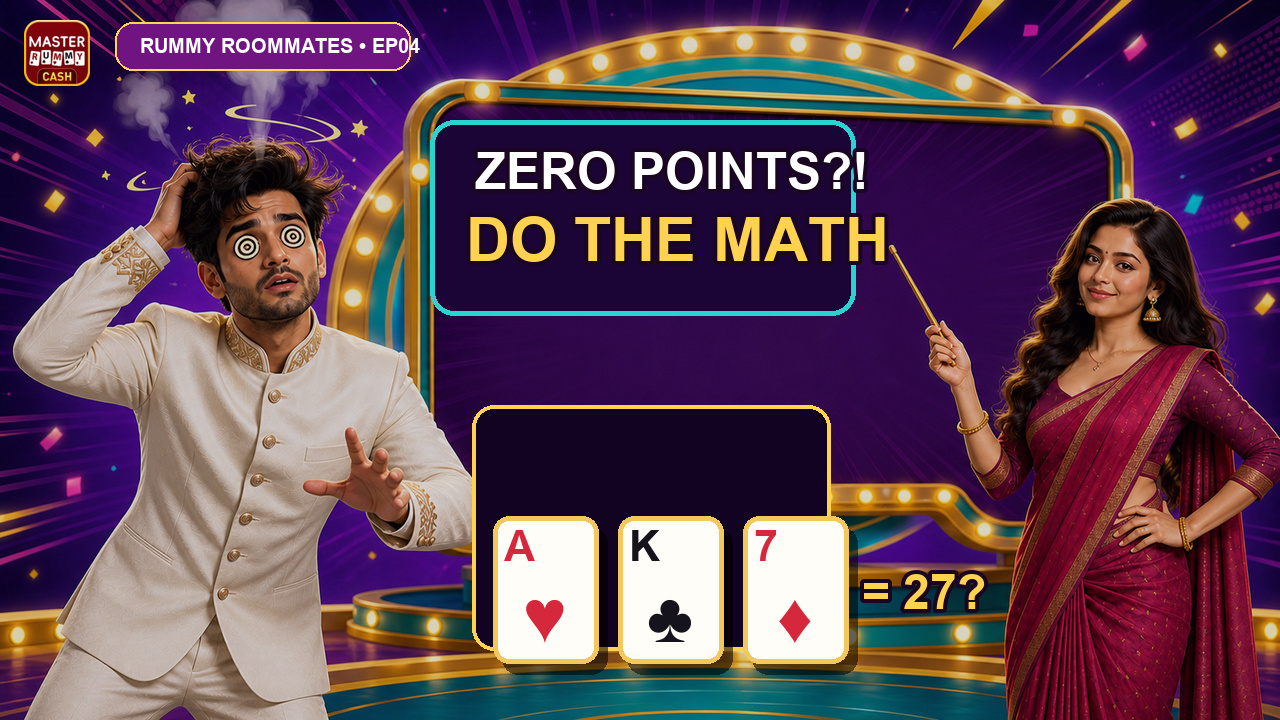
Quick Decision Table
| Situation | Priority | Avoid |
|---|---|---|
| You have a secure pure sequence | Keep the pure sequence and complete the second group | Swapping out key cards without a clear reason |
| You hold too many high-value cards | Count your points and reduce them first | Forcing short-term connections |
| An opponent is clearly watching your moves | Choose discards that reveal less information | Repeatedly revealing the groups you are building |
Short Video Lesson
Practice the five-layer decision framework
Related Reading
FAQ
Why do I always want to declare as quickly as possible?
You may not be assessing your hand structure carefully enough. Get the first layer and high-value card management right; taking a little more time is often better for your win rate.
How can I avoid mistakes in my first 20 games?
Change just one thing at a time: consistently prioritize keeping your pure sequence, then make individual adjustments instead of changing every part of your hand at once.